
Furniture Procurement Strategies for New PBSA Developments
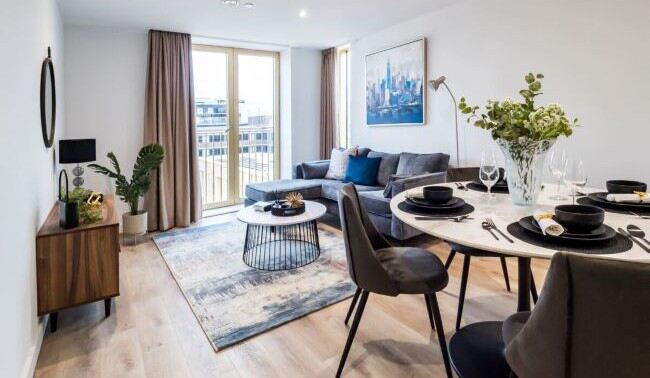
The Purpose-Built Student Accommodation (PBSA) sector has evolved dramatically over the past decade. Today’s students expect modern, highly functional, and aesthetically pleasing living environments that support both their academic endeavours and their social lives. For developers, delivering on these expectations whilst maintaining tight control over budgets and construction schedules is a complex challenge. A critical, yet frequently underestimated, component of this success is a robust furniture procurement strategy.
With over 25 years of experience in providing furnishing solutions to property developers, letting agents, sales agents, and overseas investors—spanning everything from bespoke PBSA projects to diverse investment properties—Instore Direct understands the intricacies of this market. Drawing on this extensive expertise, this article explores the practical procurement strategies necessary to ensure your next PBSA development is a commercial and operational success.
The Impact of Early Furniture Planning
A common pitfall in property development is treating furniture as an afterthought, selecting pieces only once the structural work is nearing completion. In the highly space-optimised environment of a PBSA, this approach can lead to costly delays and compromised designs.
Furniture choices fundamentally affect room dimensions, service positions, and access routes. For instance, the exact dimensions of a bed, desk, and wardrobe dictate where plug sockets, data points, and lighting switches must be placed. If these mechanical and electrical (M&E) service positions are finalised before the furniture is selected, developers often face expensive retrofitting or are forced to compromise with poorly fitting, off-the-shelf furniture that limits the room's usability. Furthermore, understanding the delivery and assembly access routes early in the design phase ensures that large items can be moved into the building without damaging freshly painted corridors or requiring last-minute structural alterations. Integrating furniture procurement into the initial design phase safeguards completion dates and ensures a seamless handover.
Balancing the Core Procurement Demands
Procuring furniture for student accommodation is a delicate balancing act. Developers must weigh up several competing factors to maximise their return on investment:
Quality and Durability: PBSA furniture experiences heavy, continuous use. Investing in high-quality, durable materials reduces the frequency of replacements and minimises ongoing maintenance costs. Particleboard may offer short-term savings, but robust materials with scratch-resistant finishes will withstand the rigours of student life far better.
Price: While durability is paramount, commercial viability demands strict budget adherence. A strategic procurement process involves value engineering—identifying areas where costs can be reduced without compromising the overall look, feel, or longevity of the product.
Design Appeal: The aesthetic appeal of the accommodation is a primary driver for student bookings. Furniture must look contemporary, welcoming, and premium. A well-designed room allows operators to command higher rental yields and achieve faster occupancy rates.
Lead Times: The cyclical nature of the student housing market means completion dates are non-negotiable. Miss the September intake, and a full year’s revenue could be lost. Procurement strategies must account for global supply chain fluctuations, ensuring suppliers can guarantee delivery within the strict project programme.
Lead Times: The cyclical nature of the student housing market means completion dates are non-negotiable. Miss the September intake, and a full year’s revenue could be lost. Procurement strategies must account for global supply chain fluctuations, ensuring suppliers can guarantee delivery within the strict project programme.
The Value of a Specialist Procurement Partner
Navigating these competing demands requires more than just browsing supplier catalogues; it requires a strategic partnership. This is where a specialist like Instore Direct becomes invaluable.
Rather than dealing with multiple disparate suppliers, a specialist partner acts as a single point of contact, streamlining the entire process. They possess the industry knowledge to compare vast ranges of options, filtering out products that look good on paper but fail to meet the rigorous standards of student accommodation.
Furthermore, an experienced partner manages complex supplier relationships on behalf of the developer. They have the leverage to negotiate better pricing, demand stricter quality control, and secure priority manufacturing slots to protect crucial lead times. Most importantly, a dedicated provider like Instore Direct will curate a comprehensive furniture package that perfectly aligns with the project’s specific commercial objectives—whether the goal is achieving the highest possible rental yield, minimising capital expenditure, or creating an ultra-premium boutique offering.
Conclusion
Successful PBSA development relies on a holistic approach where construction and interior outfitting are seamlessly integrated. By considering furniture dimensions, service positions, and access routes early in the project, developers can avoid costly delays. Moreover, by partnering with an experienced specialist who understands how to balance quality, price, durability, lead times, and design appeal, developers can ensure their final product not only attracts students but also delivers long-term commercial success.